



Unblock a Badly Blocked Fatty Kitchen Drain in Buccleuch
A real-world job from Buccleuch: a kitchen drain so choked with compacted fat it had stopped flowing entirely. Here is what the blockage looked like, how the team cleared it, and what it takes to keep a commercial kitchen drain healthy long-term.
The Drain That Would Not Move
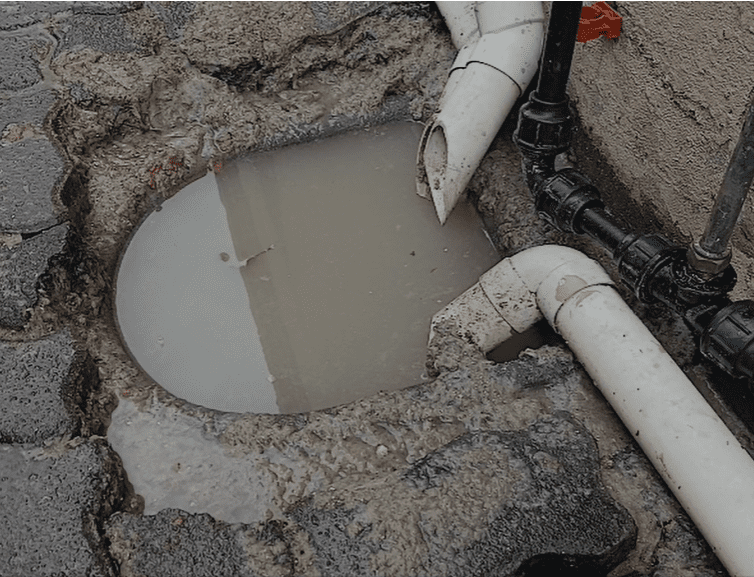
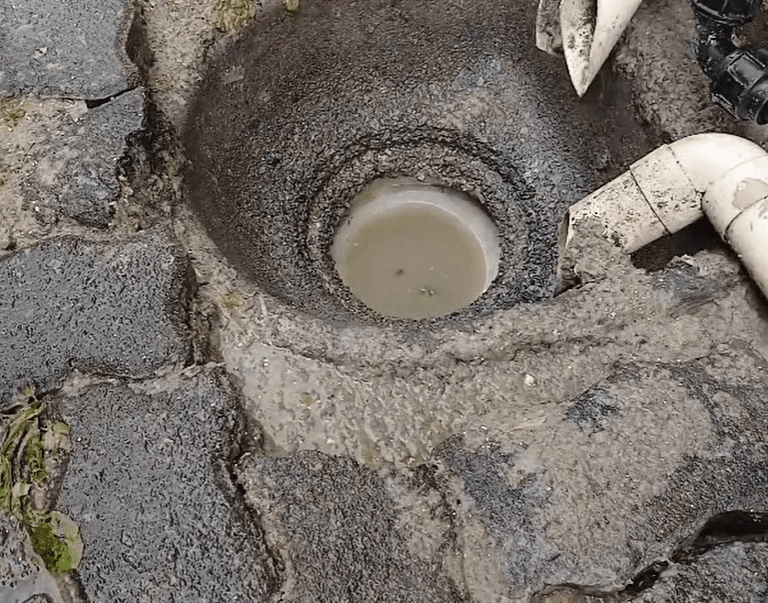
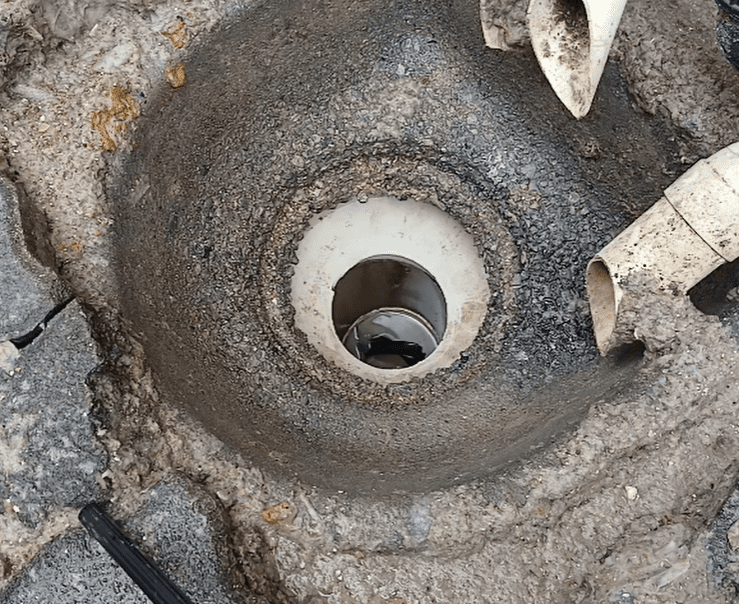
The call came from a kitchen in Buccleuch on a Monday morning. Water was standing in the sink, backing up across the floor, and the smell was telling its own story. By the time the Drain Masters crew arrived, the waste line had not drained properly in days. What they found inside was not a minor grease build-up or a trapped piece of food. It was a solid column of congealed fat, yellow-white and almost waxy, packed into the pipe over months of cooking oil, meat drippings, and dish water.
Kitchen drain blockages are among the most common and most expensive plumbing emergencies in Johannesburg commercial and residential properties alike. According to the Water Research Commission of South Africa, fat, oil, and grease (FOG) deposits are a leading cause of sewer blockages nationally, costing municipalities and property owners hundreds of millions of rands annually in reactive clearance and pipe repair. This article walks through exactly what happened on this Buccleuch job: the cause, the method, and the long-term fix.
Why Kitchen Drains in Buccleuch and Sandton Are So Vulnerable
Buccleuch sits in a high-density commercial corridor between Sandton and Midrand, home to a concentration of restaurants, food courts, light industrial kitchens, and older residential properties. The drainage infrastructure in parts of this area dates back several decades, with narrower waste pipes than modern builds, and fewer grease interceptors installed as standard. As reported by the City of Johannesburg's Infrastructure and Services Department, ageing reticulation in Sandton's inner suburbs is regularly overwhelmed by commercial FOG discharge, particularly in warmer months when cooking volumes increase and grease cools more slowly in the pipe before solidifying further down the line.
The problem compounds quickly. Fat enters the drain as a liquid, travels a short distance, then cools against the inner pipe wall and adheres. Each subsequent wash cycle adds another thin layer. Within weeks, the internal bore of a 110mm drain can reduce to less than half its original diameter. At that point, the pipe does not block suddenly: it throttles. Flow slows, smells worsen, and one large meal's worth of cooking grease is all it takes to seal the remaining gap entirely. That is precisely what the Buccleuch team found.
Two Ways to Clear a Blocked Drain: Water Jetting vs Chemical Treatment
When a blocked kitchen drain is as far gone as this one, there are two realistic options. Understanding the difference helps property owners make an informed decision rather than calling the cheapest option and repeating the job six weeks later.
High-Pressure Water Jetting
Water jet drain cleaning uses a specialised nozzle fed into the pipe on a flexible hose, delivering water at pressures typically between 1,500 and 4,000 psi. The forward-facing and rear-facing jets simultaneously cut through the blockage and flush the dislodged material back towards the access point. For fat-based blockages, jetting is the gold standard: it physically removes the grease rather than dissolving it into the downstream sewer.
- Pros: Complete physical clearance; cleans pipe walls not just the channel; safe for plastic and cast iron pipework; no chemical residue; results visible immediately
- Cons: Requires professional equipment and training; access point needed; cannot be done as a DIY method
Chemical Drain Cleaners
Off-the-shelf drain cleaning chemicals use caustic soda (sodium hydroxide), sulphuric acid, or enzymatic formulas to break down organic matter. They are widely available and marketed as a quick fix for slow drains.
- Pros: Cheap and accessible; suitable for mild slow-running drains; enzymatic versions are safer for older pipes
- Cons: Ineffective on hard compacted fat; can damage older PVC and rubber seals; caustic formulas are hazardous; often push the blockage further down rather than clearing it; produce no lasting improvement on heavily furred pipes
| Feature | Water Jetting | Chemical Cleaners |
|---|---|---|
| Effectiveness on compacted fat | Excellent | Poor to moderate |
| Pipe wall cleaning | Full internal clean | Surface contact only |
| Safety for pipework | Safe across materials | Risk to older PVC and rubber |
| Approximate cost | R800 to R2,500 per job | R60 to R250 per product |
| Lasting result | 6 to 18 months with maintenance | Days to weeks at best |
| Environmental impact | None (water only) | Moderate to high chemical load |
Maintenance: The Rule That Kitchen Owners Ignore
Any property with a commercial or heavy-use kitchen should have its waste line professionally cleaned at minimum every six months, and preferably every quarter if the cooking volume is high. The cost of a routine drain and sewer cleaning service is a fraction of an emergency callout, and a small fraction of the cost of a collapsed or cracked pipe that has been under sustained grease pressure for years. Neglect is not a neutral choice: the fat accumulates regardless of whether you are watching.
For residential kitchens, the standard is different but the principle holds. A slow-running kitchen sink should be attended to within days, not weeks. Here is what a proactive maintenance programme looks like:
- Bi-annual professional jetting to strip pipe walls clean of accumulated fat and biofilm
- Monthly enzymatic treatment poured into the drain at night to break down fresh grease deposits before they harden
- Strainer use at all times to catch food solids before they combine with grease in the pipe
- Zero hot fat poured directly into the drain: collect cooking fat in a container, allow it to solidify, then dispose of it in the bin
Why This Is Not a DIY Job
The temptation after a blocked drain is to reach for a plunger or a bottle of caustic cleaner. For a mildly slow drain, that might provide temporary relief. For a fully blocked drain unblocking job like the one in Buccleuch, it would have achieved nothing except delaying proper attention and possibly damaging the pipe wall with aggressive chemicals. Plumbing that carries fat-laden commercial waste operates under conditions that require professional tools and trained diagnosis.
Beyond the tool limitation, there is a liability issue. In South Africa, insurance companies increasingly scrutinise property damage claims where the owner attempted DIY intervention before calling a professional. A cracked pipe caused by improper rodding, or a seal failure accelerated by chemical treatment, may not be covered if there is evidence of amateur intervention. Reputable operators like Drain Masters provide written documentation of the work carried out, which protects the property owner if a subsequent claim is ever needed.
- A reputable drain specialist will provide a written job report documenting the blockage type, location, and method used
- They will offer a post-clearance camera inspection if there is any concern about pipe integrity after the blockage is cleared
- They will give a clear callout and labour rate upfront, with no surprise charges once the van is on site
Red flag to watch for: any drain company that quotes a very low rate over the phone but cannot confirm what equipment they will use. Water jetting and CCTV inspection require specialist machinery. If the quote sounds like a plunger job, it probably is.
The Fitting That Gets Forgotten: Grease Trap Cleaning
Most commercial kitchens in South Africa are required by municipal bylaws to have a grease trap installed between the kitchen waste outlet and the main sewer connection. A grease trap intercepts fat and oil before it reaches the pipe network. The problem is that these traps must be cleaned regularly to function, and they are routinely neglected. A grease trap that has not been serviced in six months or more will be full, bypassing fat directly into the drain line and undoing every benefit the unit was installed to provide. If your kitchen has a grease trap and you cannot remember when it was last cleaned, that is the first call to make before the drain blocks again.
The Buccleuch job took under two hours from arrival to fully restored flow. The pipe wall cleaning that came with the water jetting extended the pipe's usable life and removed the biofilm that was causing the odour the owner had been living with for weeks. Three key points carry through every job like this: compacted fat requires physical removal, not chemical treatment; professional documentation protects property owners; and routine maintenance is always cheaper than emergency clearance.
Johannesburg kitchens will keep producing grease. The pipe does not care whether the kitchen is commercial or residential, whether the fat goes in hot or cold, or whether the owner noticed it slowing down last month. It accumulates, and eventually, it blocks. The question is only whether you address it on your schedule or the drain's.
Is your kitchen drain running slow right now?
Do not wait for a full blockage. A same-day inspection costs far less than an emergency clearance, and a routine jet clean costs far less than either. Contact the team or request a quote online.