



Hydro Jetting a Blocked Drain from Excessive Toilet Paper in Garsfontein
The bathroom in a busy Garsfontein home was giving its residents the one signal no homeowner wants to see: a toilet that simply would not clear. Each flush sent water creeping to the rim, holding for a beat, then draining with a slow, reluctant gurgle. By the time the basin in the adjacent bathroom also began backing up, the family knew a plunger was not going to solve this. Somewhere beneath the tiled floors, a soft blockage had grown large enough to choke the line entirely.
Toilet paper blockages are more common than most people expect, particularly in older homes where pipe gradients have shifted over decades of ground movement. According to the Water Research Commission of South Africa, household drain blockages account for a significant proportion of residential plumbing call-outs, with soft organic matter such as paper and wipes among the most frequent causes. This article walks through how Drain Masters resolved this specific job in Garsfontein using hydro jetting, and what homeowners in the area should know before a similar problem reaches crisis point.
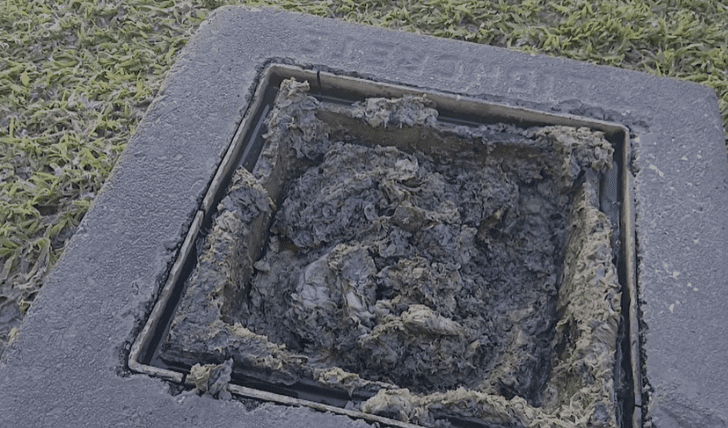 Before
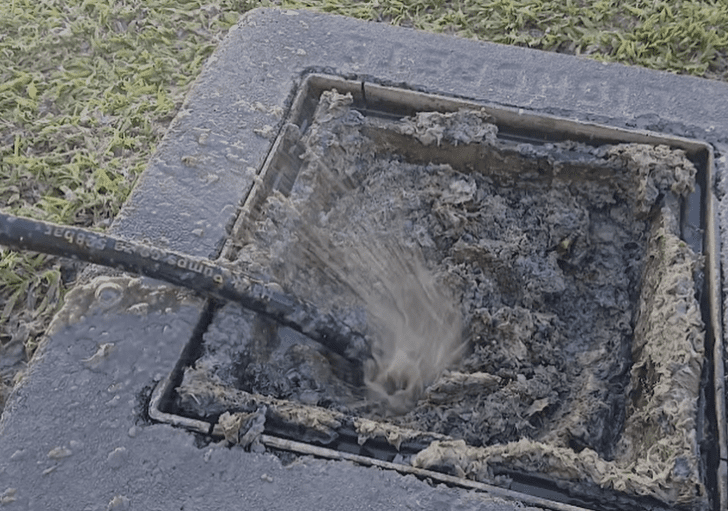 During
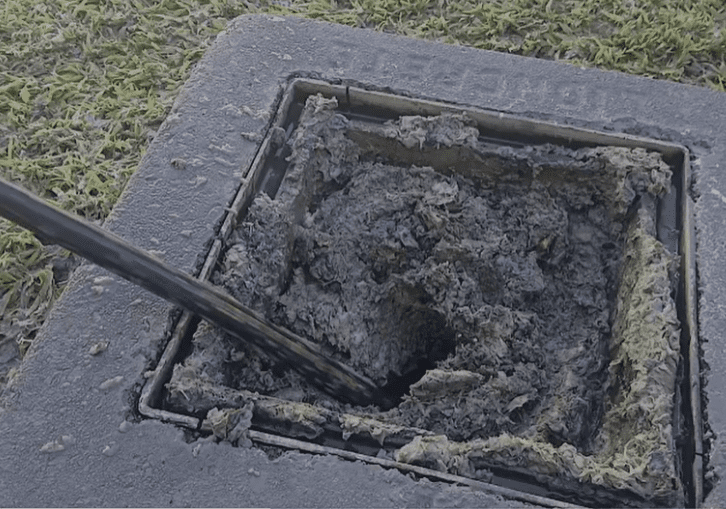 After
After
Why Garsfontein Drains Are Particularly Vulnerable
Garsfontein sits in Pretoria East on a mix of expansive clay soils and dolomitic ground. Both soil types shift with seasonal moisture changes, and that movement applies gradual stress to underground pipes over time. Where a pipe joint opens by even a few millimetres, the effective gradient changes, and water no longer flushes waste along at the speed it was designed to. Paper accumulates where flow slows. According to the City of Tshwane’s infrastructure reports, ageing residential sewer connections in the eastern suburbs frequently present with partial collapses and offset joints that compound household blockage problems. The Garsfontein area’s mix of 1980s and 1990s-era homes means many properties are working with pipes that have decades of accumulated sludge lining the walls, providing a ready surface for fresh paper to adhere to.
Pretoria East’s dry winters also contribute. Low humidity during June and July reduces the amount of water residents use for non-toilet purposes, meaning drain lines see less flushing volume overall. The South African Weather Service records winter rainfall averages below 10 mm for Pretoria East during the dry season, which effectively means drainage systems go weeks without the kind of sustained throughflow that would naturally shift loose paper masses downstream. By the time summer rain arrives, a partial blockage can have solidified into a dense plug that neither water pressure nor a manual snake can shift.
Hydro Jetting vs Drain Snaking: Choosing the Right Method
Option A: Drain Snaking (Electric Eel)
A drain snake, sometimes called an electric eel, is a rotating steel cable fed into the pipe to break up or retrieve a blockage. It is the standard first response for many straightforward clogs.
- Pros: Lower cost per visit; minimal equipment to transport; effective on hard obstructions like roots or solid objects; fast deployment for simple jobs.
- Cons: On soft, compacted paper masses it often bores a hole through the clog rather than clearing it fully; leaves pipe walls coated in residual sludge; limited reach on longer runs; does not restore pipe diameter.
Option B: Hydro Jetting (High-Pressure Water Jetting)
Hydro jetting uses water pressurised to between 1,500 and 4,000 PSI, delivered through a flexible hose with a multi-directional nozzle. The water jet drain cleaning process shreds soft blockages and simultaneously scours the pipe walls clean.
- Pros: Clears the full bore of the pipe, not just a channel through the blockage; removes grease, sludge and scale from pipe walls; reaches well into the main sewer line; results last significantly longer than snaking.
- Cons: Higher cost than snaking; not appropriate for pipes with existing cracks or structural damage without prior CCTV pipe inspection; requires specialised equipment and trained operators.
| Feature | Drain Snaking | Hydro Jetting |
|---|---|---|
| Blockage Clearance | Partial (pierces clog) | Complete (full bore restored) |
| Pipe Wall Cleaning | Minimal | Full scouring of walls |
| Reach | Limited on long runs | Deep into main sewer line |
| Best For | Hard objects, minor clogs | Soft blockages, grease, paper |
| Longevity of Result | Shorter; residue remains | Longer; clean pipe walls |
| Cost | Lower upfront | Higher upfront, better value long-term |
Preventive Maintenance: What Garsfontein Homeowners Should Schedule
A professional drain and sewer cleaning service is worth scheduling every 18 to 24 months on any Garsfontein property over fifteen years old. This is not a precaution driven by pessimism; it is a practical response to the clay soil conditions and ageing pipe infrastructure characteristic of the suburb. Waiting until a blockage becomes a crisis means paying for an emergency call-out rather than a routine maintenance visit, and the difference in cost is considerable.
Neglecting drainage maintenance carries a specific chain of consequences. Paper residue and grease bond to unclean pipe walls, creating a progressively narrower channel. Each flush contributes a fresh layer. A pipe that was 80% clear twelve months ago may be 40% clear today with no outward symptom until the day it blocks completely. Scheduled hydro jetting resets that countdown.
- Full bore restoration: High-pressure jetting removes all accumulated lining, returning the pipe to its designed internal diameter and flow capacity.
- Sludge and grease removal: The spinning nozzle strips the pipe walls of the biofilm and grease that paper clings to, significantly slowing re-accumulation.
- Early fault detection: A pre-jetting CCTV inspection identifies cracks, offset joints or root intrusions before they become structural emergencies.
- Cost control: Routine maintenance visits cost a fraction of an emergency same-day call-out, particularly during Pretoria’s dry winter months when blockages compound silently.
When to Call a Professional Rather Than Attempt DIY
A plunger or a bottle of off-the-shelf chemical drain cleaner is a reasonable starting point for a fresh, minor toilet paper clog. If the toilet clears within two or three attempts, the blockage was superficial. The situation changes the moment you notice multiple fixtures backing up simultaneously: a toilet flush that causes the shower drain to gurgle, or a basin that drains slowly on the same visit. That pattern indicates the blockage is downstream, in the shared branch or main line, and no consumer tool reaches that far. Attempting to force a snake through a soft paper mass at that depth typically compacts the blockage further, making professional blocked drain clearance harder and more expensive.
Plumbing contractors operating without proper equipment also risk forcing water back through lower fixtures, resulting in sewage contamination inside the home. Drain Masters approaches every job with a pre-work assessment to confirm the pipe condition before applying jetter pressure. Skipping that step on a structurally compromised pipe is how a blockage becomes a pipe failure.
- A written assessment of the blockage type and location before any work begins, with a clear quote.
- A recommendation for CCTV inspection if multiple blockages have occurred in the same line within twelve months.
- Confirmation of flow restoration by running water through the system before leaving the site, with a service report provided on request.
The Overlooked Factor: Pipe Gradient and Soil Movement
Most homeowners focus on what goes down the toilet when a blockage occurs. The less obvious culprit is the slope of the pipe itself. South African building regulations specify a minimum fall for drainage runs, but years of dolomitic and clay soil movement in Pretoria East can introduce reverse gradients on short sections of underground pipe. A pocket of standing water forms, paper settles into it, and a drain unblocking service clears the symptom while the underlying geometry remains. If your property has experienced more than two blockages in the same line within a three-year period, a CCTV survey to check gradient and joint alignment is the more economical long-term investment. You can also read about a related case involving root intrusion and pipe displacement at our Constantia Park root blockage case study.
Hydro jetting is the right tool when a toilet paper blockage has moved beyond the scope of a plunger or a chemical cleaner. It restores the full internal bore of the pipe, removes the wall coating that future blockages cling to, and, when preceded by a CCTV inspection, gives you a clear picture of your drain’s structural condition. Snaking has its place for simpler jobs, but for a compacted soft blockage in a mature Pretoria East property, it rarely delivers a lasting result.
Garsfontein’s combination of clay soils, ageing infrastructure and dry winter conditions means drain problems here often develop slowly and strike without much warning. By the time a toilet refuses to flush, the blockage has usually been building for weeks. Scheduling a maintenance clear before the dry season ends is a far better outcome than a Sunday evening emergency call-out with raw sewage at the gully.
Don’t wait for a backed-up toilet or an overflowing gully to take action. Contact Drain Masters today for a fast, professional assessment.