
Sewer Cleaning Services
Drains and sewers accumulate waste materials that reduce flow capacity. This accumulation happens gradually in every property, regardless of how carefully you use the system.
Our sewer cleaning service removes built-up debris before it causes blockages. We clean residential drains, commercial sewer lines, and industrial wastewater systems. The service extends pipe lifespan and prevents the sudden failures that result in costly emergency repairs.
Why Drains and Sewers Need Regular Cleaning
Pipes transport more than just water. Every flush, every shower, every sink use deposits microscopic particles inside the pipes. These particles stick to pipe walls and accumulate over months and years.
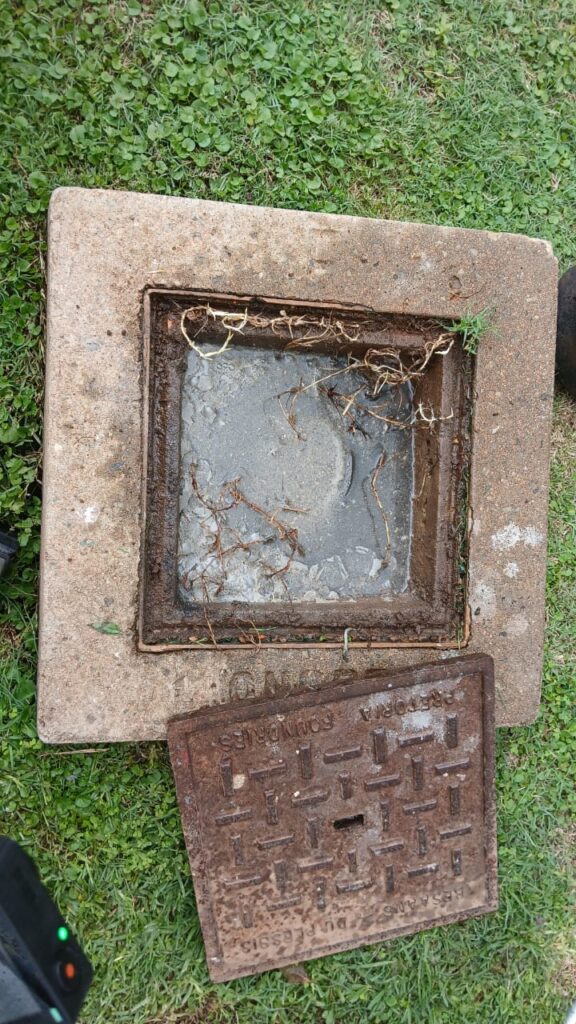
Grease hardens on pipe surfaces. Soap scum creates layers that narrow the diameter. Mineral deposits from hard water build up like stalactites in a cave. Tree roots infiltrate through tiny gaps and expand inside the pipe. All of these reduce the effective diameter of your drainage system.
A pipe that starts at 100mm diameter may function at 60mm after years of accumulation. The reduced capacity means slower drainage and increased pressure on the system. Eventually, a single wad of toilet paper or clump of hair triggers a complete blockage in a pipe already compromised by years of build-up.
What Happens Inside Neglected Pipes
The interior of an uncleaned drain tells a story. Kitchen pipes show thick grease coatings mixed with food particles. Bathroom drains display hair trapped in soap residue that has calcified over time. Main sewer lines reveal root penetration at joints and cracks.
These conditions develop silently. You notice slower drainage. You hear occasional gurgling. By the time obvious symptoms appear, the pipe has already lost significant capacity.
Professional Drain and Sewer Cleaning Methods
We select cleaning methods based on pipe condition, blockage type, and system age.
Hydro jetting uses high-pressure water to scour pipe interiors clean. The equipment generates pressure that removes decades of accumulated grease, scale, and debris. The water pressure adjusts based on pipe material, we use lower pressure for older clay pipes and higher pressure for modern PVC systems.
This method cleans pipes to near-original diameter. The process removes not just blockages but also the coating on pipe walls that future debris would stick to.
Mechanical cleaning involves cable machines with specialized cutting heads. These rotate through pipes, physically scraping away build-up and cutting through root intrusions. Different head attachments target different materials, scrapers for grease, root cutters for vegetation, and retrievers for foreign objects.
Chemical treatment applies in specific situations where biological build-up creates the problem. We use enzyme-based treatments that break down organic matter without damaging pipes or harming the environment. This differs from the caustic chemicals sold in retail stores.
Camera Inspection Before and After Cleaning
We inspect drains with camera equipment before cleaning begins. The footage shows exactly what exists inside your pipes. You see the grease build-up, the root intrusion points, the areas where pipes have degraded.
This inspection prevents surprises. Sometimes what appears to be a blockage is actually a collapsed pipe section. Attempting to clean a collapsed pipe wastes time and money. The camera reveals the true condition.
After cleaning, we run the camera through again. The before-and-after comparison demonstrates what we removed and confirms the pipe is clear.
Drain and Sewer Cleaning for Different Systems
Kitchen drains battle constant grease exposure. Commercial kitchens produce enough grease to coat pipes within months. Residential kitchens take longer but face the same issue. Regular cleaning prevents the grease from hardening into a solid mass that requires aggressive intervention.
Bathroom drains collect hair, soap scum, and personal care product residues. These materials combine into dense mats that catch additional debris. The combination is surprisingly resistant to water flow and standard cleaning attempts.
Main sewer lines handle all wastewater from a property. These large-diameter pipes suffer from different problems, primarily root intrusion and sediment accumulation. Tree roots seek out the nutrient-rich water inside sewer pipes and exploit any weakness in the pipe material or joints.
Storm water drains manage rainwater and outdoor runoff. These systems collect leaves, soil, and outdoor debris. Heavy rains overwhelm blocked storm drains, causing flooding and property damage.
Preventive Maintenance Through Regular Cleaning
Scheduled drain and sewer cleaning costs less than emergency repairs. A cleaning service removes accumulations before they create complete blockages.
Properties with mature trees need annual main line cleaning. Tree roots grow continuously and will re-enter pipes after being cut. Annual cleaning keeps the growth manageable.
Commercial kitchens require quarterly drain cleaning at minimum. Some high-volume operations benefit from monthly service. The frequency depends on the volume of grease-producing cooking.
Residential properties typically need cleaning every two to three years. This schedule prevents build-up from reaching problem levels.
Signs Your System Needs Drain and Sewer Cleaning
Multiple drains flowing slowly indicates main line issues. A single slow drain suggests a branch line problem. Both benefit from professional cleaning.
Recurring blockages that clear temporarily then return signal incomplete cleaning or underlying pipe damage. Cleaning the entire length of affected pipe resolves recurring issues caused by partial blockages.
Foul odours from drains indicate decomposing organic matter trapped in the system. Cleaning removes the source rather than masking the smell with chemical deodorizers.
The Drain and Sewer Cleaning Process Explained
Our technicians arrive with specialized equipment suited to your pipe diameter and material. We locate access points to the drainage system—usually through cleanout ports, inspection chambers, or direct toilet removal.
The camera inspection identifies problems and determines the cleaning approach needed. We explain what the camera shows and discuss the cleaning method we recommend.
During cleaning, we work systematically through the affected sections. Kitchen drains receive attention for grease removal. Bathroom lines get cleared of hair and soap build-up. Main sewer lines undergo thorough cleaning to remove roots and accumulated sediment.
The process generates waste material that we remove from the property. After cleaning, we test water flow through the system and verify that all connected fixtures drain properly.
Long-Term Benefits of Professional Cleaning
Clean pipes last longer. Removing corrosive materials from pipe interiors slows deterioration. This matters particularly for metal pipes that suffer from chemical reactions with standing waste.
Clean systems smell better. Organic material trapped in pipes creates the classic sewer smell. Removing it eliminates the source.
Clean drains function at full capacity. Water and waste move through the system as designed, reducing pressure that can cause leaks at joints and weak points.
Frequently Asked Questions
How often should I schedule drain and sewer cleaning for my property?
Frequency depends on property type and usage patterns. Residential homes typically need main line cleaning every two to three years, while commercial kitchens require quarterly or monthly service due to grease volume. Properties with large trees near sewer lines benefit from annual cleaning to manage root intrusion. Older properties with cast iron or clay pipes may need more frequent attention than newer homes with PVC systems.
Will cleaning damage old pipes in my property?
Professional cleaning protects old pipes by removing corrosive materials and adjusting pressure based on pipe condition. We inspect pipes with cameras before cleaning to assess their state. For fragile pipes, we reduce water pressure and use gentler methods. The greater risk to old pipes comes from neglect, accumulated materials accelerate deterioration and increase the likelihood of failure. Regular gentle cleaning extends pipe life compared to waiting until aggressive intervention becomes necessary.
Can drain and sewer cleaning remove tree roots completely?
Cleaning removes roots currently inside pipes, but it cannot prevent future growth. Tree roots are attracted to the water and nutrients in sewer lines and will exploit any crack or joint weakness. The cleaning process cuts roots flush with the pipe interior, restoring flow. Properties with persistent root problems may need additional solutions like pipe relining to seal entry points or, in severe cases, pipe replacement to eliminate access.